BY RAFE GABRIEL
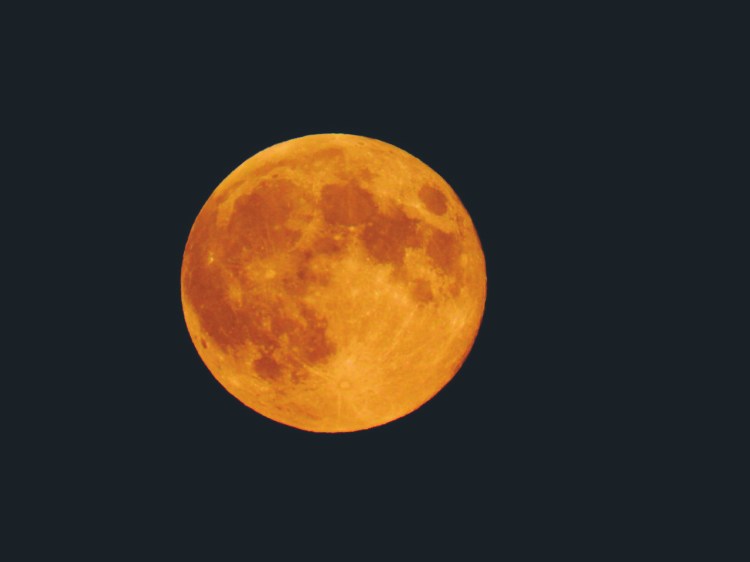
Pagans believed the moon was a symbol of the divine feminine, a beacon of inspiration, and a source of magical energy.
A full moon was celebrated in ceremonies focusing on gratitude and a chance to pay their respects; to honour their belief that a full moon is when nature’s spiritual power was at its strongest.
It was a point of connection in their lives, connection to nature, the wider world, and that beyond it. It is hard to argue many of these points when you stand to attention under a supermoon, alone and in the sea. It is harder still to resist the urge to howl.
The rock upon which I walk is rooted in Paganism; the water I fish and the land from which I live was the last pagan stronghold of England, ruled by King Arwald, with Christianity not being installed by Caedwalla, King of Wessex, until 686CE. There is a Pagan history to this place, and a Pagan present. Mysterious standing stones, henges, stories of cloaked characters, druids, chanting around them under a full moon, if you believe such things. The lunar connection runs deep here, still. There is fishing folklore, an old wives tale, that under a full moon fish feed more freely, charged by the power of it, awoken by the light of it, whatever it may be, you will hear anglers of all disciplines discuss the phases of the moon. I call it folklore because, whilst I love fishing under one and always make an effort to, I am yet to catch a fish on a supermoon, and so I fall into the camp of those who can’t fully believe in it, but all of that is what the point is not. Much like the moon, catching bass, for me, is about connection. There is nothing that makes me feel as connected to the natural world as seeking, tempting, and landing a bass. The sheer life that runs through them, that courses through their lateral lines, the flared dorsal fin and beat of power as you release them.
It is when you hold a bass by its tailbone whilst it regains its energy, that you feel at one with the world and the beasts with which you share it. With the supermoons come spring tides; big tides, higher highs and lower lows, more water, more movement, and more energy. If the folklore is to be believed, this livens the bass, encouraging them to hunt, the spring tides pushing bait fish in shore, where bass can chase them into the shallows, along the tide line, and into harm’s way. It can also put an angler in harm’s way if not considering the impact these tides might have on a local mark, and so, the sensible thing to do, on a supermoon night, is to fish a local mark you know well, perhaps minimise the clambering and wading; if you can’t fish somewhere well lit, fish somewhere you know your footing. That would be the sensible thing to do. I, however, for the Sturgeon Moon of August, headed for pastures new.
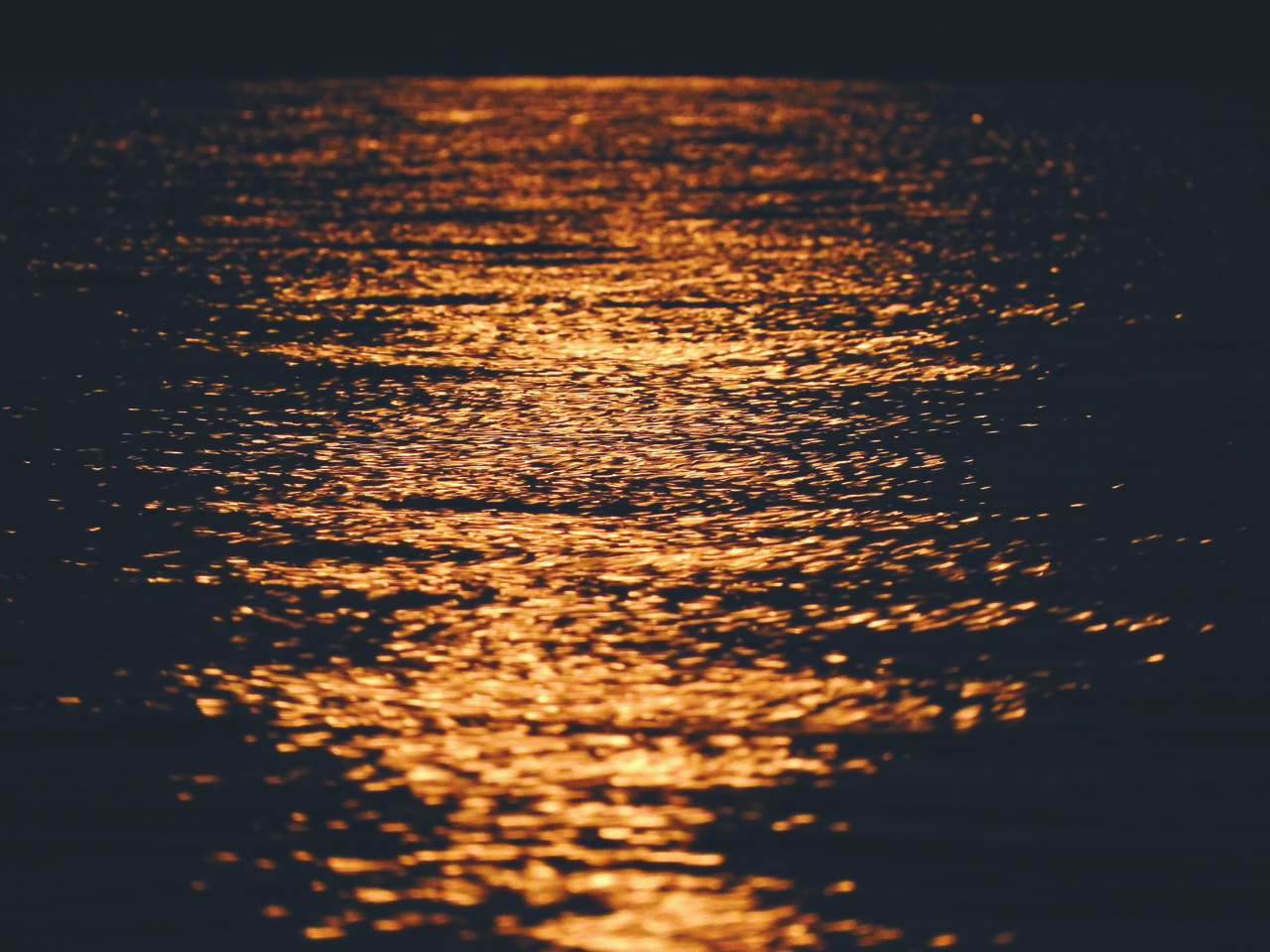
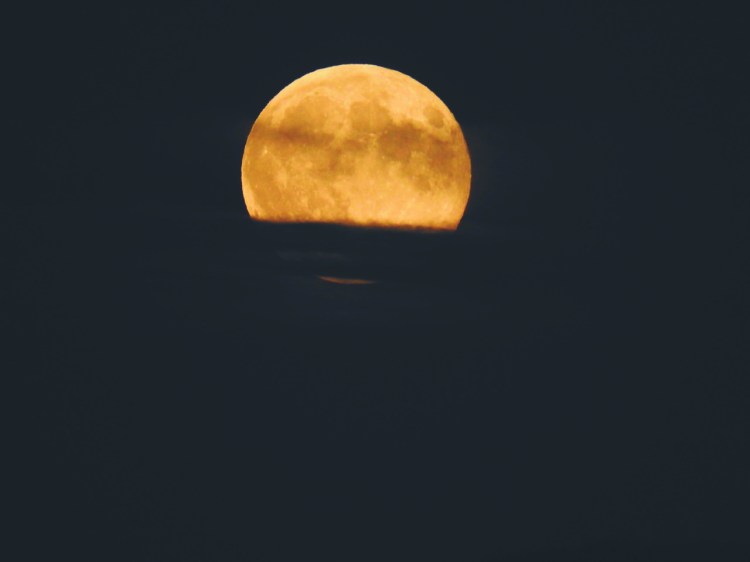
Coined by North American fishing tribes since the species appeared in numbers during this month, August’s full moon is sometimes known as the Red Moon for the reddish hue it can omit on a summer’s eve. Reddish hue is a vast understatement for what I saw peak over the horizon that night.

The mark I was fishing that evening I had long avoided, despite tempting looking reefs and spits, deep gullies and hard rock, simply because I, for better or worse, loathe to fish busy locations, and to reach said mark I was duty bound to park on a traditional English seaside town esplanade at the height of summer. Emerging from the car and pulling a rod behind me, a holiday making family immediately began to chat, asking whether I thought I would catch a big fish and informing me the sea was much too cold, “It doesn’t get much warmer” I called as I hastened away along the esplanade, down an old stone launch, onto the wide expanse of beach and onward to the cliffs, away from civilisation.
I fished from the spit through the evening, to no avail, as the spring tide rose around me, gradually claiming back the rock inch by inch, before I eventually found myself stood waist deep in flat calm seas, sheltered from the southerly wind by the Jurrasic cliff behind me, as the water before me barely moved, just a warm wash on my swimming shorts. Wet wading this time of year, right through to autumn, is easy.
Dusk came and went as a darkness fell over the unfamiliar bay, making my wading more conscious and deliberate, the night heightening my senses. The flooding tides pull was strong by now, drawing my eye to follow it along the coast back toward the flicking lights of the tourist trap town, before back to the tip of my rod, and casting again. The lure flew again toward the horizon, landing with a subtle splash, before the horizon began to glow red, a world ending ember, which rose and rose, the first glimpse of the Sturgeon Moon plotting a course across the English Channel toward me, burning a path through still seas.
There was a moment, as the huge, glowing red Sturgeon Moon revealed itself, where it felt truly as if it were just for me, standing alone in the salt, face to face with this powerful guiding light pulling all around me towards it.
The angling fell by the wayside and I mused on the irony that having headed to this new mark, a place I actively avoid, and frankly, dislike, I was having one of the most profound and connected experiences of my angling life. I spend hours, days, seeking solitude in remote countryside, in coves miles from anyone, wading around inaccessible cliffs and landslips, seeking a connection with the wild world that my quarry inhabit, and then here, in the most unlikely of places, I felt in direct contact with the moon. Connected.
A few months later, I was back on a more familiar footing, headed down the track and through the wood to my local bay, our collective favourite mark, bass rod in hand, camera slung over my shoulder, and searching not just bass, but a stolen lonely moment with the moon once more, for another meeting with King Arwald. Mid-October, and the Hunters’ Moon was due. As I arrived on the beach and set out onto the sandbank to fish over the ledge, the sun started to dip over the horizon to my west, casting golden orange rays of light across the coast, silhouetting everything in their path. A couple of days previous, I had lost my favourite lure to a snag whilst fishing a shallow weed lined channel where the bass are prone to hunt; now returning at low tide, before I made a cast I set about searching for it, retracing my steps, finding the casting position from which it was lost, and then making my way along the channel, eyes down, scanning. Figuring the lure would be in or behind a snag, I walked the channel out before doubling back, and there, behind a large weedbed, was my sandeel lure. A small victory, and one I took to be a good omen for the evening ahead, perhaps tonight I wouldbreak my full moon duck.
I began to fish as the sun dipped away. Within half an hour, to my east, a bright white moon began to appear from behind the hills and farmland atop the cliff path, hills I have personal history with. From my vantage point I could see the ramshackle collection of beach huts and shed-like accommodations which lined the hillside, one of which, a 1930s train carriage nicknamed Clarabel, I spent many happy summer days in as a teenager, throwing rugby balls in the field, swimming in the sea and on occasion, even fishing. Many years later I would get engaged at the foot of those hills. The moon climbed above Clarabel, up over the hill, and once again cut a line across the sea toward me. I kept throwing bright white lures as the tide now flooded and the moon shine spread. Weedless sandeels, subsurface hard lures, white topwaters, working my way through my lure box strapped to my waist, directing all my pagan prayers to the moon above me for tonight to be the night I find this fish in a frenzy. Time passed, the moon continued its climb, and no fish came. As I walked back through the wood the moonlight was so bright it felt almost like dawn.
Come November, we were approaching the last supermoon of the year. I had already fished the morning, fishing the first flood of the day over a channel I know well, a channel which, on a clear and settled day, you can see the bass using the flood to gain access to the sandbank beyond, getting amongst the weed to hunt. On its day it can be a prolific mark, but this morning was not its day, and after a few hours I made my retreat from the channel as the tide touched my waist, back to the safety of terra firma, planning to return that evening to fish under the Beaver Moon, the last supermoon of the year.
Named as such by early European settlers due to the beavers’ activity at this time of year, as the creatures prepare for winter; building dams and gathering food. The Beaver Moon signals it is nearly time to hunker down, hibernate; almost time to put the bass rods away.
The tide was still dropping as I began to fish, water draining out of the bay. With spring highs comes spring lows, and beyond the ledge it went, and still further. A heron moved in amongst the growing flocks of brent geese arriving to winter.
The water retreated as I began to fish, following the ever falling tide into the channel; beds of seagrass only seen on spring lows revealed themselves, the mud got deeper and the still-warm water got shallower. As the sun and moon swapped shifts, the bass were once again nowhere to be seen. Fishing on a full moon; an old wives tale.
The following day I ventured to the reef, my favourite autumn bass fishing mark, determined, as the fishing got harder and the fish seemed to be heading south, to finish the season with a capture. The temperatures were finally beginning to drop but the clarity remained and the sea was calm, still, and clear. I balanced myself on the point of a rock and began to fan-cast the area, watching my bright lure working the water column as
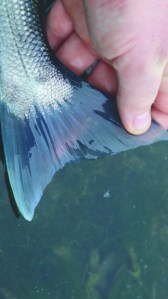
I retrieved it. Not ten minutes into my morning, as the imitation sandeel worked its way alongside the rock on which I stood, a flash of silver materialised seemingly from nothing.
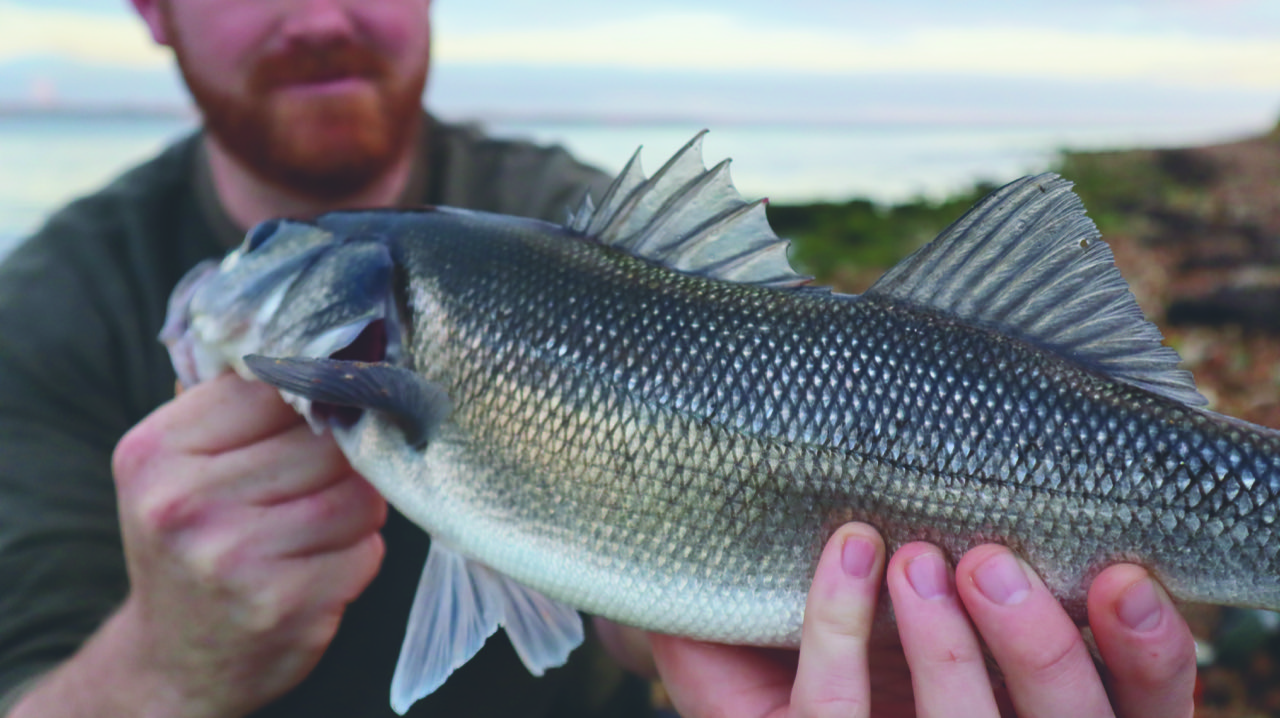
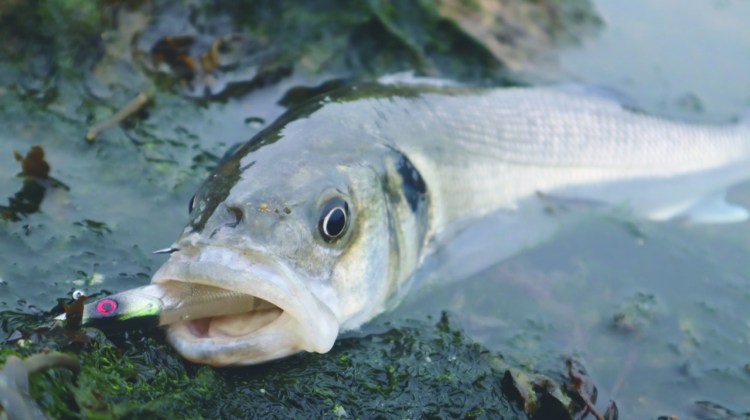
The bass passed the lure, turned, and charged it down. Sheer aggression, pure predator. The bait was inhaled so close to my rod tip that I was fishing on not much more than the leader, and so the battle was rapid. I felt the thud of the thrashing fish through the rod, saw the flared gills, the white of its mouth, and hoisted the bass onto the rock below me. I had what I had been craving, what I am always seeking, whether that be in nature, whilst angling, or standing below a supermoon. The very same thing the Pagans who trod this rock before me were seeking; connection.
 Piscator